tenants’ rights & Housing justice
Protecting tenants’ rights and preserving affordable housing in the western catskills
The Issue
Renters in the Western Catskills know all too well that enforcing their rights is an uphill battle. While in the past ten years tenants’ lrights have been considerably strengthened in New York State, in practice, many renters in deeply rural areas have not experienced the benefits of these hard won legislative victories.
Right to counsel (the right to have a lawyer represent you in court) still has not passed for Upstate NY. Most people facing eviction, or serious repair needs for unsafe housing are forced to face these challenges alone.
Underlying issues like severe housing shortages, disinterested real estate investors, increased preponderance of short-term rentals, and lack of consistent regulatory oversight for building safety in many towns has resulted in a deeply limited housing stock. All too rarely are apartments warm, safe, and affordable when compared to local wages.
It is also true that some well-intended local landlords with reasonably priced apartments encounter challenges that are unique to the region, and would benefit from guidance on how to mediate these situations, rather than resorting to the courts.
For many living in Delaware and Schoharie Counties, the closest source of affordable
or pro bono legal assistance is severely limited, and geographically distant.
Beginning September 2026, Reunion is initiating a Housing Justice Pilot Program to level the scales for rural renters and help restore a stable sense of home for those who need it most.
In the initial stages, the program will be focused around two core components:
Legal Empowerment Trainings: To help instruct tenants more generally on their rights
Advice and Counsel: To help individuals navigate their particular housing challenges
When we meet our funding goals, we will seek to expand this program to include tenant organizing, facilitated conversations with landlords and building owners that center restoration over argument, and only if necessary, legal action to enforce warranty of habitability standards or provide eviction defense.
Our solution
Beginning Fall 2026, Reunion is coordinating a tenant and local-resident focused advocacy effort that centers on improving landlord-tenant relations, and ensures that safety standards are met without the forced closure of spaces tenants call home. The scarcity of affordable housing options means we all have to work together to preserve and upkeep the beautiful old buildings that adorn Delaware and Schoharie County hillsides.
The Western Catskills does not have adequate access to needed legal services, and interventions like this help us move away from a dependence on overstretched institutions, and towards community-centered solutions, where those impacted by problems are supported with the tools to resolve them and hold harm-doers accountable.

Advice and Counsel
In August 2026, Reunion will open a phone line and online form for issues involving landlord-tenant disputes. Call and leave a message or fill out the form to provide some background on the issue you are facing, and we will reach out to set up an appointment to discuss the matter. Appointments will take place during one of the following:
Virtual or Telephone Appointments will take place every third Thursday of the month
In-person appointments will take place every second Sunday of the month.
The purpose of advice and council is to leave tenants with a personalized understanding of your rights and how to best proceed to enforce them.
Providing confidential advice and counsel empowers tenants to understand their options, and know how to pursue them effectively even without the full representation of counsel.
Legal Empowerment & HOusing Justice trainings
On a quarterly basis, Reunion will organize legal trainings that will take place in-person in Stamford, NY, to teach core aspects of tenants’ rights and housing law.
Legal empowerment is a community movement that seeks to empower those most impacted by laws to learn, use, and shape them.
Our legal empowerment trainings will cover topics like:
How to Enforce Repairs
Understanding Your Case: Nonpays and Holdovers
Understanding Eviction Defenses
Circle discussion that allows participation and questions to make sure core topics are understood and integrated.
I am a local landlord trying to do the right thing, can you help me?
If you are a landlord interested in reaching an agreement with your tenant over a nonpayment or household issue, and you would like assistance in mediating your disagreement in order to avoid going to court and beginning an eviction proceeding, we would be happy to speak with you!
prior initiatives
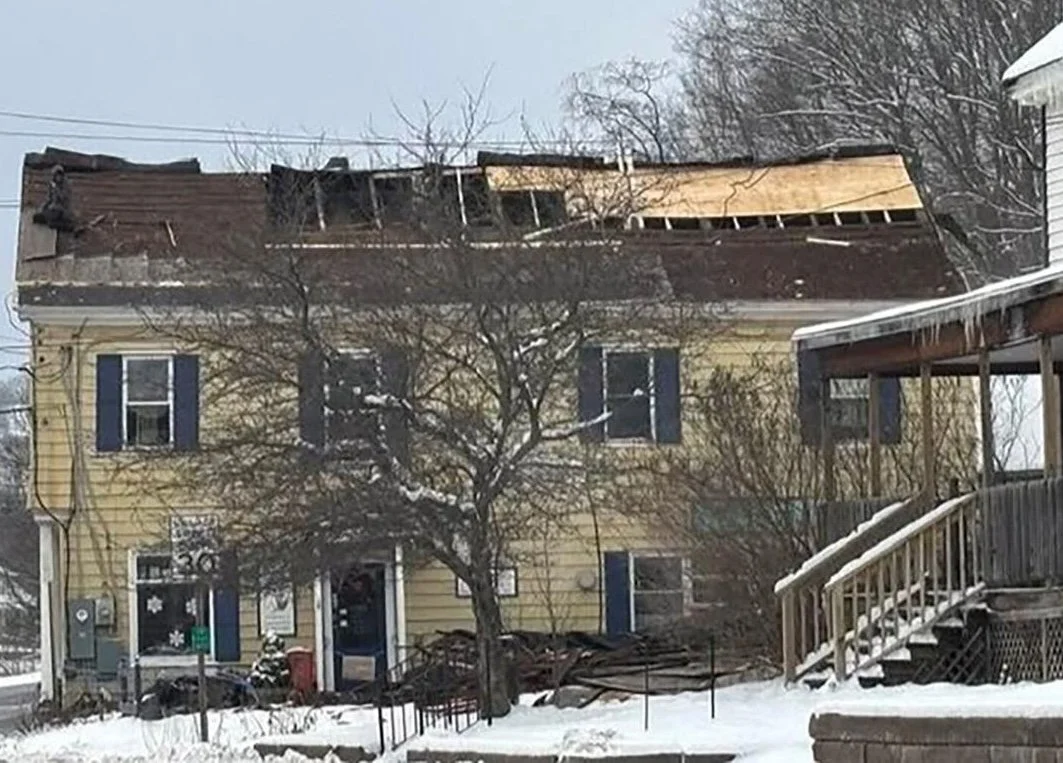
From December 2025 through May 2026, Reunion’s founding members provided ongoing and urgent direct assistance to the twelve residents of the Hobart Inn, who were forced to leave their homes on an emergency basis in unseasonably freezing weather.
Hobart Inn residents were obligated to move in response to a vacate order responding to unsafe building conditions. The condensed timeline did not afford residents, most of whom are elderly or living with a disability, the time they needed to find safe alternate housing.
Reunion’s founding members are heartened to be able to provide direct aid in the form of:
coordinating volunteer efforts
assisting directly with packing
physically relocating residents and animals
ensuring resident access to eligible services
providing regular check-in’s and assistance
with securing permanent housingpursuing possible legal interventions.
12 people, 13 animals, 11 degrees, and 5 days made it hard, but we did it!
Reunion, along with our indeliable collaborators, which included The Hobart Exchange, Catskill Center for Independence, Delaware County APS, amazing volunteers from our local community, and financial contributions spearheaded by an incredible campaign initiated by the Hobart Exchange, came together to ensure no one was in the cold, and to fight for everyone to be better off than where they started.
It was an honor and inspiration to work with residents who exhibited incredible solidarity, mutual aid, and resilience during such a difficult time. But it was also a lesson: more resources and aid must be directed to ensuring that our community members live in safe, warm, and healthy conditions.